Impact
Positive impact of ETPA projects
Ongoing Projects FY 2025-26
“Enhancing Educational Infrastructure and Community Engagement in Government Schools of Gurugram and Mumbai” – Implementing in Collaboration with Shri Muni Charitable Foundation. –
Supported by Itochu India Pvt. Ltd.
Project Location: Gurugram, Haryana & Mumbai, Maharashtra
ETPA Foundation for Social Development, in collaboration with Shri Muni Charitable Foundation and supported by Itochu India Pvt. Ltd. under its CSR initiative, is implementing the project “Enhancing Educational Infrastructure and Community Engagement in Government Schools of Gurugram and Mumbai” for FY 2025–26.
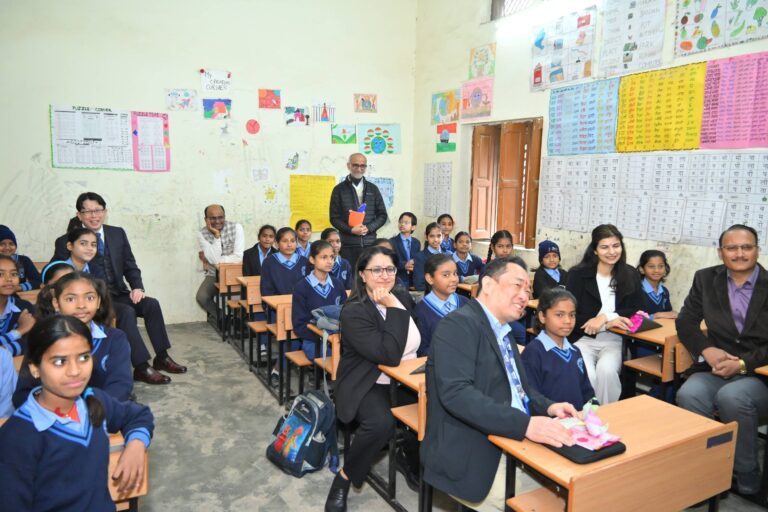
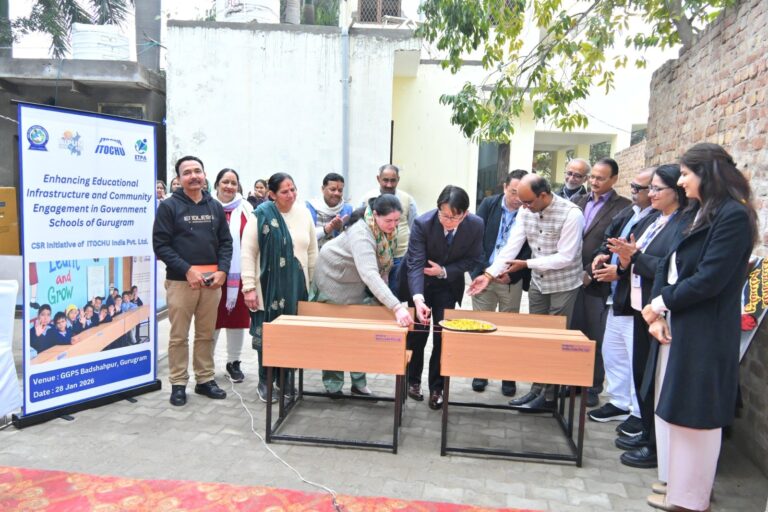
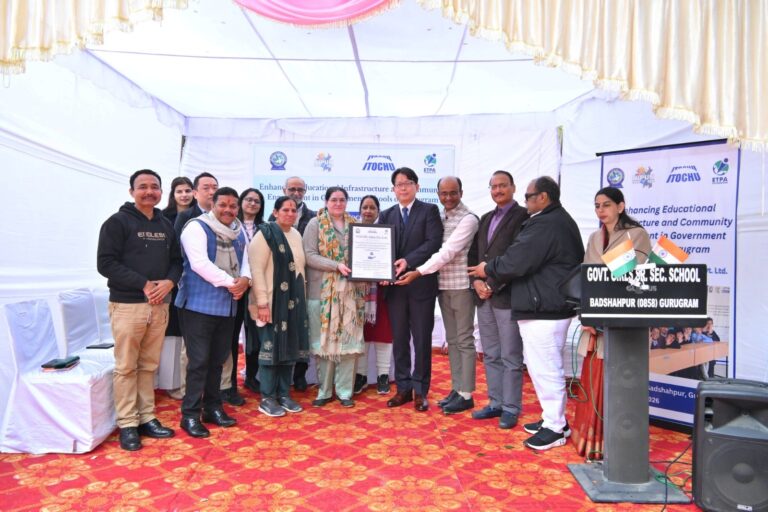
The project aims to improve learning environments and student well-being in 22 selected government schools across Gurugram and Mumbai (10 schools of Gurugram & 12 schools of Mumbai) by strengthening basic educational infrastructure and fostering active community participation. As part of the initiative, 840 dual desk bench sets and 10 stainless steel water coolers (440 dual desk bench sets & 5 water coolers in Gurugram and 400 dual desk bench sets and 5 water coolers in Mumbai) are being provided to enhance classroom comfort, ensure access to safe drinking water, and support better health and learning outcomes.
Beyond infrastructure support, the project emphasizes building strong school–community linkages through parental engagement and local partnerships to help improve attendance, reduce dropout rates, and create inclusive, supportive learning spaces. The initiative reflects a commitment to equitable education, sustainable development, and long-term positive impact in government schools.
Ongoing Projects FY 2025-26
Supported by Asahi Intecc.,
Project Location: Nashik Municipal Corporation, Maharashtra
PALVI (पालवी) is a community-driven environmental sustainability initiative implemented by ETPA Foundation for Social Development with the support of Asahi Intecc Co., Ltd., aimed at revitalising green spaces and promoting responsible environmental stewardship in Nashik Municipal Corporation, Maharashtra.
Aligned with preparations for Kumbh Mela 2026, the project focuses on restoring native green cover, adopting and rejuvenating public open spaces, improving waste management practices, and building environmental awareness—especially among children and local communities. Through plantation of native trees, green space adoption, riverbank clean-ups, and participatory awareness activities, PALVI seeks to create cleaner, cooler, and healthier urban spaces.
Rooted in Nashik’s cultural and spiritual ethos, PALVI encourages citizens to reconnect devotion with care for nature, fostering long-term ecological resilience, community ownership, and sustainable urban living.
Improving the Nutritional Status of Children (0–59 Months) in KBK Region of Odisha
Supported by IJ Kakehashi Pvt. Ltd & KBK GloCal PVt. Ltd.
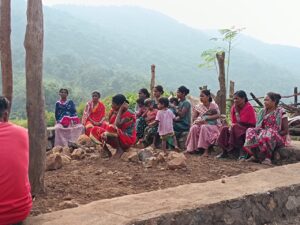
ETPA Foundation for Social Development is implementing a targeted child nutrition intervention in Digi and Tentulikhunti Gram Panchayats of Tentulikhunti Block, Nabarangpur District, Odisha, with the objective of improving the nutritional status of children aged 0–59 months special emphasis on Tribal Population. The project responds to persistent undernutrition in tribal and economically vulnerable communities, driven by inadequate infant and young child feeding practices, limited nutrition awareness, poor sanitation, and gaps in last-mile health and nutrition service delivery.
Aligned with the Aspirational Block Program, the NutriHope Project focuses on strengthening community and system-level responses to malnutrition. Key interventions include capacity building of Anganwadi Workers, promotion of appropriate Infant and Young Child Feeding (IYCF) practices, household-level counselling, community mobilization, and early identification, tracking, and referral of Severely and Moderately Acute Malnourished (SAM/MAM) children to Nutrition Rehabilitation Centers (NRCs). The initiative also supports maternal health and adolescent nutrition, recognizing their critical role in breaking the intergenerational cycle of malnutrition.
The project covers a population of 13,065 people across 3,794 households, where over 80% of families belong to Scheduled Tribe, Scheduled Caste, and OBC communities and more than 70% depend on daily wage labor. Poor housing conditions, food insecurity, early marriage, adolescent pregnancy risks, and high dependency on informal livelihoods further heighten vulnerability among women and young children. A large cohort of children in the 2–5 year age group underscores the need for sustained complementary feeding, growth monitoring, and early childhood care beyond infancy.
Grounded in GP-level household survey data, NutriHope adopts a data-driven and convergence-based approach to ensure resources are directed where the need is greatest. By strengthening accountability, improving service uptake, and enabling community-led nutrition practices, the project aims to achieve measurable improvements in child nutrition, maternal health outcomes, and long-term community resilience in one of Odisha’s most underserved regions.
June 2023
“Storytelling is the most powerful way to put ideas into the World”. – Robert McAfee Brown
It is evident that Storytelling is an effective method to make the learning interesting and creates a participatory and immersive experience for the children to explore the horizon of their imagination and creativity. Every story includes characters, theme, and most important takeaway learnings (Morals) for the listener. The impact left on the mind and heart of the listener becomes the driving force for the behavioural change.
To explore the aspects of the fruitful impact of storytelling session with the street Children, sessions were conducted using the most interactive tools like audio visuals, picture books, story book and Roleplays. The theme of Story was: ‘Mottainai Grandma’. Mottainai is a Japanese term which means ‘Sense of regret over the wastage’. The main objective of the storytelling was to make children aware about the importance of available resources and how one can effectively imbibe the 4 R (Respect, Recycle, Reuse, and Reduce) for the larger life of resources.
It was an absolute Joy Ride to witness the amazing energy level and zeal of children enjoying the story of Mottainai Dadima. They were involved in the making of the crafts out of the waste materials taking forward the key learnings of the story of Mottainai Grandma. To continue the same behaviour, the young minds were pledged to save resources in all possible manner and share their learning with others as well.